[Work 01]
Save Food with Your Friends
E-commerce
ShareCart
A shared ordering system that connects households to buy bulk from producers at lower prices
[Project Overview]
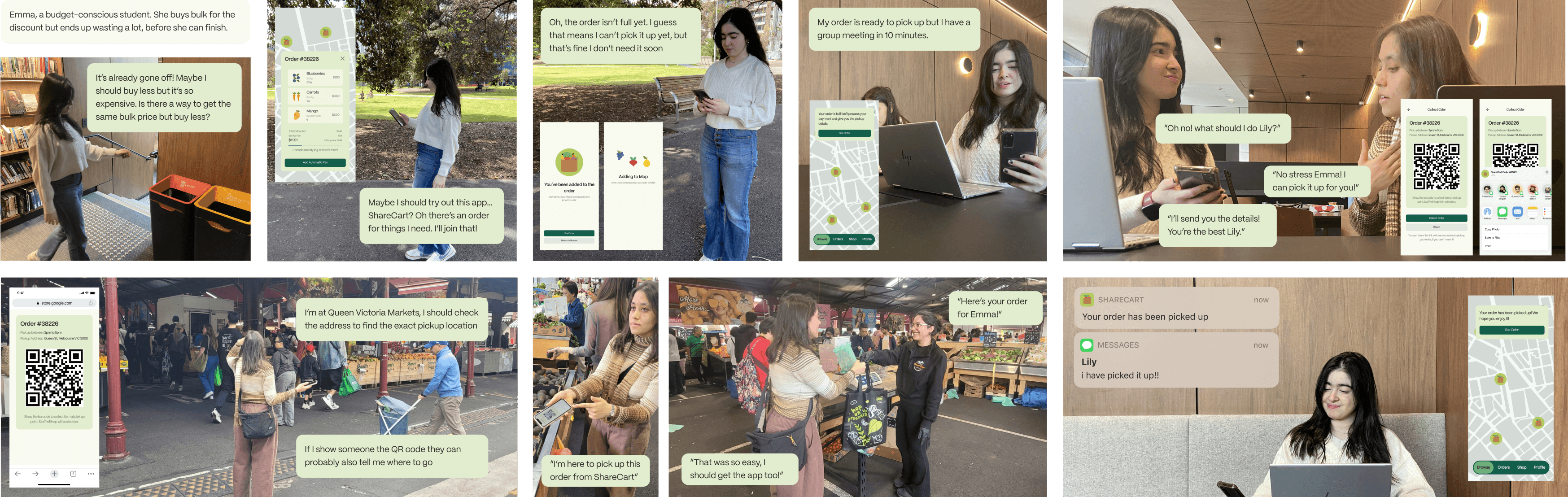
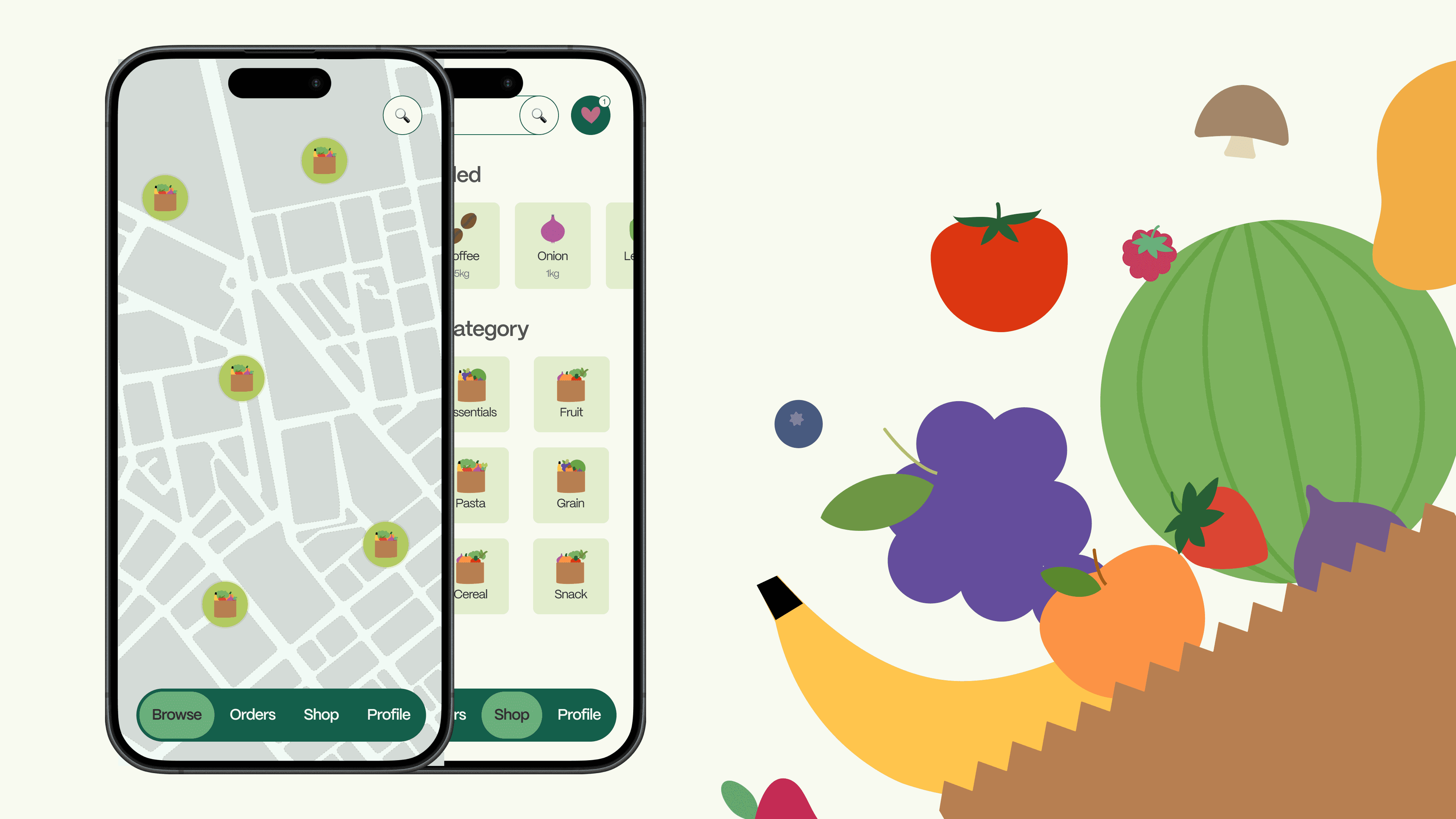
ShareCart encourages less waste-conscious households to reduce food waste by offering lower unit prices and matching users with others who want the same items, allowing them to split bulk orders. Users can start private orders, create a Wishlist, and choose convenient pick-up or delivery options to keep the process simple and stress-free.
[Problem Statement]
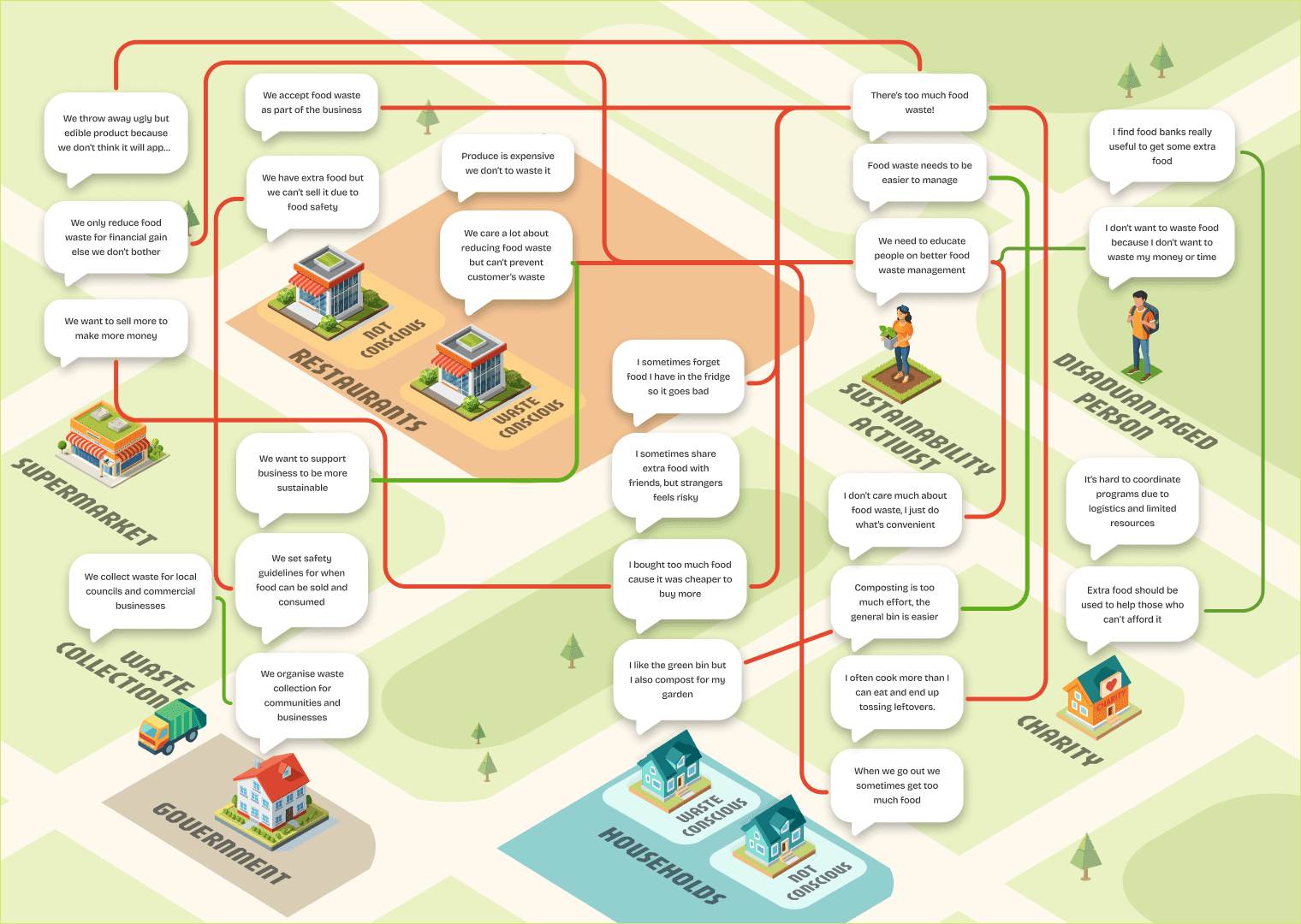
Less waste-conscious households often face high prices, large portions, and inconvenient shopping experiences that lead to food waste. They need an easier, more affordable way to buy only what they need.
[Rich Picture]
[Industry]
E-commerce
[My Role]
UX Designer
[Platforms]
Mobile
[Timeline]
Feb 2025 - Nov 2025
[Design Challenge]
"Lower prices cause excess, complex waste systems discourage households"
This project explores how UX can intervene earlier in the food-waste cycle by helping them buy only what they need in the first place.
The concept aligns with the paradox:
Systems that reward larger purchases often clash with efforts to reduce food waste, while traditional sustainability solutions may feel too effortful or too values-driven to motivate less waste-conscious users.
[Key Learnings]
User Insights Drive the Most Meaningful Improvements
Early assumptions about user needs were refined—and in some cases disproven, once real users interacted with the prototype. Direct feedback was essential for revealing hidden pain points and shaping more effective design decisions.
Iterative Validation Ensures the Design Evolves in the Right Direction
Collecting structured UBE data enabled the team to prioritise improvements with confidence. Iteration based on evidence rather than intuition proved essential for aligning the product with real user expectations and behaviour.
Transparency Is Fundamental to Building User Trustter
Testing showed that when users clearly understand where products come from, how pricing works, and what will happen during pick-up or delivery, they feel more secure using the platform. Providing transparent information reduces uncertainty and builds long-term trust in the service.
[Solution]
Instead of asking users to commit to large quantities, the flow lets them start a private order, join an existing one, or add items to a wish list to be matched with others who want the same product. For each item, users choose only the quantity they need, then track pickup or delivery details once the order is confirmed.

[Wireframe]
To support users who are not ordering with people they already know, ShareCart introduces a matching flow through a shared wish list. This allows users to express purchase intent first, then connect with others interested in the same item. The wireframe explores how to make this system feel clear and lightweight, while reinforcing the product’s core value: lower costs without unnecessary excess.

[Process]
[01] User Research
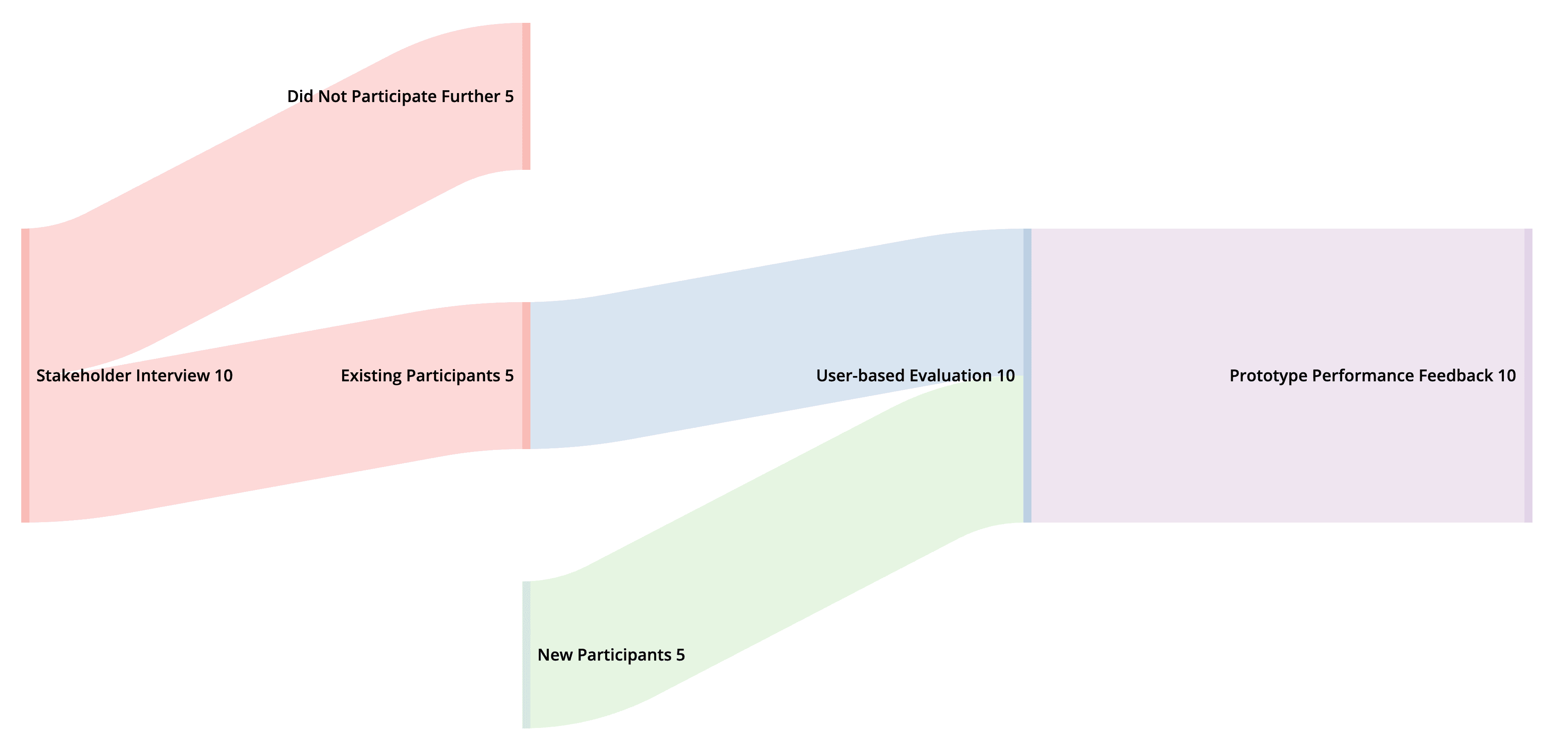
Conducted initial stakeholder interviews with 10 participants to identify key frustrations, needs, and behavioural patterns.
Synthesised interview findings into themes, mapped user journeys, and validated core pain points across 10 participants.
Translated user insights into actionable design requirements and prioritised features based on participant feedback.
[02] Insights
Concept was well received overall, but the matching mechanism increases the cognitive load.
Interaction flow is generally fluent, but some feedback loops remain incomplete, which might cause errors.
There’s no reinforcement linking users’ actions to the outcome of saving money and reducing food waste.
[03 Design Solution]
Adding clearer, consistent guidance in the induction tutorial and supporting it with social media video promotions to help users better understand the concept.
Adding a “Finish” button would provide a clear completion signal, allowing the system to recognise when the user has finalised their Wishlist and proceed accordingly.
Adding a home-screen widget or dedicated page that visually displays users’ savings.
[04] Testing & Iteration
Conducted user-based evaluation with 10 participants to understand the user satisfaction of the prototype
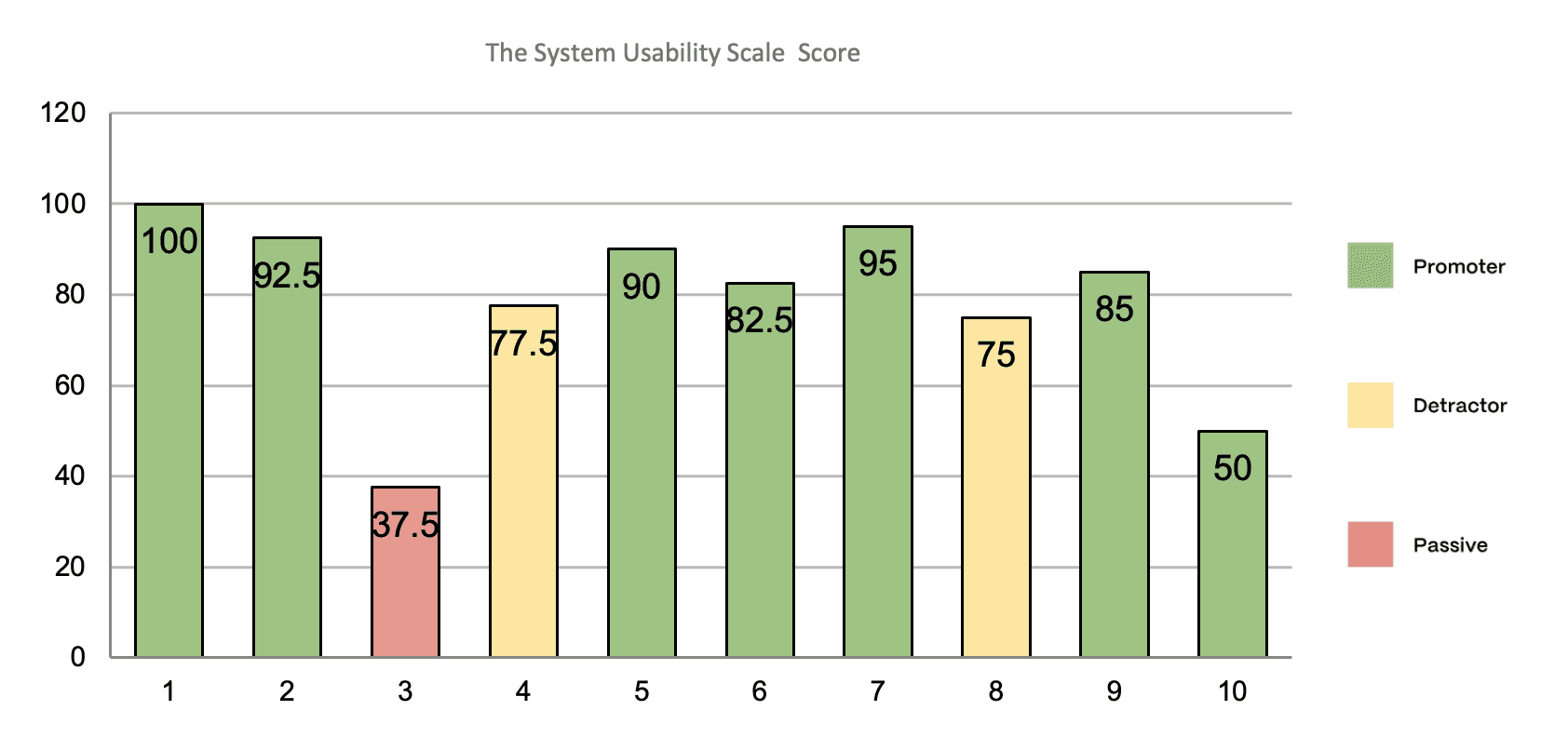
Collected SUS and NPS scores, along with qualitative feedback, to assess user satisfaction and identify pain points in the prototype.
Analyzed user behavior data to pinpoint where users dropped off in the process.
[Outcome]
All 10 participants able to complete the process without external assistance after design refinements.
Notable increase in perceived usability, reflected in positive qualitative feedback by returning participants.
Used UBE insights to generate a focused development plan for the next design iteration.